Fat Loss Tips for Dads That Actually Stick
Get weekly dad fitness wins in your inbox
Join 5,000+ dads getting practical workouts, nutrition tips, and honest fatherhood insights. Free, every week.
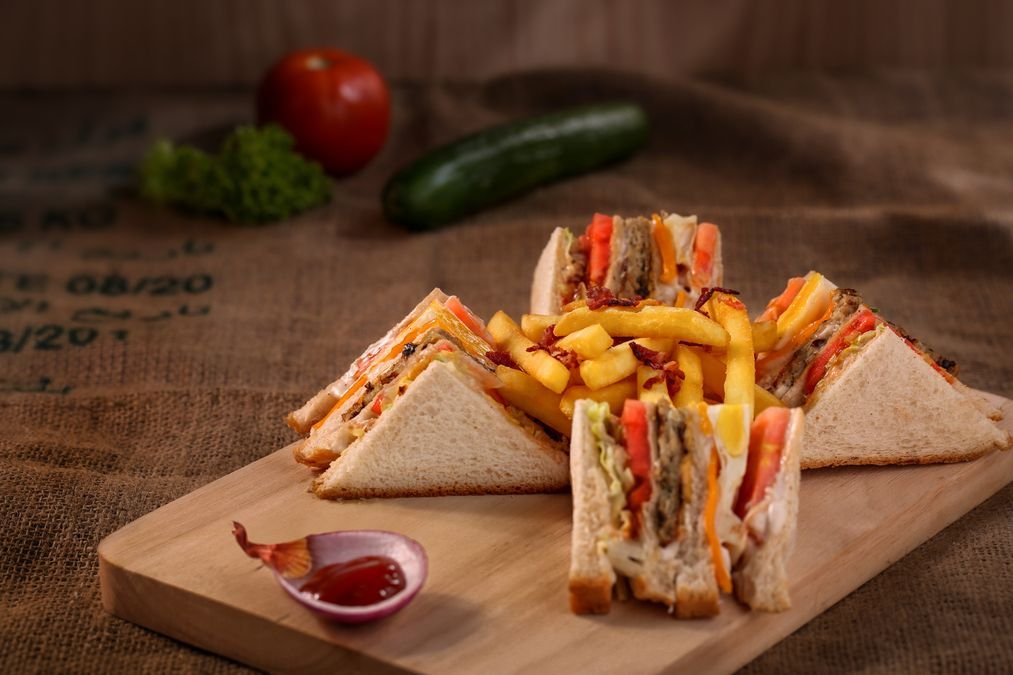
It was a Saturday morning and I was trying to kick a football around with my kids in the garden. Within about ten minutes I was bent over with my hands on my knees, genuinely out of breath, while my six-year-old looked at me like I’d committed some kind of disappointment crime. That was the moment I stopped telling myself I’d “sort it out eventually” and started actually doing something about it. The problem was I had no idea what “doing something” actually looked like for a bloke in his early forties with a demanding job, two kids, and approximately zero hours of spare time. Every piece of advice I found assumed I had the schedule of a professional athlete and the willpower of a monk. I didn’t. I had a leftover chicken sandwich and fifteen minutes before the school run. So I figured it out the hard way — and these are the ten things that genuinely moved the needle for me.
Start With What You’re Eating
Eat More Protein at Every Meal
If you only change one thing about your diet, make it this. Protein keeps you fuller for longer, it preserves the muscle you have while you’re in a calorie deficit, and it has what’s called a high thermic effect — meaning your body actually burns more calories digesting it than it does digesting fat or carbs. I used to have toast for breakfast and wonder why I was starving by 10am. When I switched to eggs, Greek yoghurt, or even a protein shake, the mid-morning biscuit raids stopped almost immediately. Aim for around 30g of protein per meal, and make it the first thing you plan rather than the afterthought. If you want a clearer picture of how to structure meals around this, the simple diet plan for dads to lose weight lays it out without any of the faff.
Cut the Liquid Calories You’re Not Even Noticing
This one stings a bit because it means looking honestly at what you’re drinking. A pint of lager is around 200 calories. A large latte with full-fat milk is about 150. A glass of orange juice — which somehow still has a health halo — clocks in at around 110. None of these feel like eating, but they add up fast. I wasn’t a big drinker, but I was having two or three lattes a day and a couple of beers on a Friday and Saturday. That was easily 800–1000 extra calories a week I wasn’t accounting for. Switching to black coffee (which took about a week to get used to) and being more intentional about when I had a beer — rather than just defaulting to one every time I sat down after the kids’ bedtime — made a noticeable difference within a month.
Track What You’re Eating for Two Weeks
I’m not suggesting you weigh your food forever. That would drive most of us absolutely mad. But spending two weeks logging what you eat in an app like MyFitnessPal or Cronometer is genuinely eye-opening. Most dads I’ve spoken to are surprised — not because they’re eating terribly, but because they have no idea what’s in the stuff they eat regularly. A handful of nuts here, a few bites of the kids’ leftover pasta there, a generous pour of olive oil that was actually three portions. You’re not doing this to punish yourself. You’re doing it to understand the landscape. Once you know, you can make smarter choices without obsessing over every gram for the rest of your life.
Don’t Ban Foods — Moderate Them
Telling yourself you’ll never eat pizza or chocolate again is a promise you won’t keep, and breaking it will make you feel like a failure when you’re really not. The research on dietary restraint is pretty consistent: rigid restriction tends to backfire. What works long-term is fitting the foods you enjoy into a diet that’s otherwise fairly solid. I still have a takeaway most Fridays. I still have chocolate. I just don’t have those things on top of an already disorganised week of eating — I factor them in. If you find yourself eating for reasons that have nothing to do with hunger, it’s worth reading about how to stop stress eating as a busy dad, because that cycle is one of the biggest things that undermines progress for dads specifically.
Move More in Ways You’ll Actually Keep Up
Walk More — Aim for 10,000 Steps
I know, I know — you’ve heard this one before. But I’m putting it here anyway because it genuinely works and most people still aren’t doing it. Walking is low-impact, it doesn’t require recovery, it doesn’t clash with a busy schedule, and it burns a meaningful number of calories over the course of a week. The 10,000 step target gets mocked as arbitrary, but research published via the NHS consistently shows that people who hit that target have better metabolic health, lower rates of cardiovascular disease, and lower body weight than those who don’t. You don’t need to go for a dedicated walk every day (though that’s ideal). Take the long route to the school gate. Park further away. Walk to the corner shop instead of driving. Take a ten-minute walk after lunch. It all counts.
Strength Train Three Times a Week
Cardio gets all the attention when it comes to fat loss, but resistance training is arguably more important for dads. It builds and preserves muscle, which raises your resting metabolic rate — meaning you burn more calories even when you’re doing nothing. Three sessions a week, each around 30–45 minutes, is entirely manageable even with a family schedule. You don’t need a gym. Bodyweight work at home counts. A set of dumbbells in the spare room counts. The goal is to challenge your muscles progressively over time. Squats, deadlifts, press-ups, rows — these compound movements give you the most return on the time you invest. I started with two sessions a week when I was really pushed, and even that made a noticeable difference. If getting started feels overwhelming, the full breakdown in how to lose the dad bod for good is worth a read.
Stay Active with Your Kids
This one is my favourite because it doesn’t feel like exercise and it makes you a better dad at the same time. Kick a ball around. Go for a bike ride together. Do a Parkrun on a Saturday morning with them running alongside you. Go swimming. Play in the park without sitting on a bench staring at your phone. These activities burn real calories — a vigorous hour of playing with kids can burn 300–400 calories depending on your weight and intensity — but more importantly, they shift your mindset. Being active becomes part of your family identity rather than something you sneak off to do alone at 5am.
The Foundations That Make Everything Else Work
Eat at Consistent Times
This isn’t about rigid meal timing in a pseudoscientific way. It’s about the practical reality that when you don’t have regular meal times, you end up making poor food choices because you’re suddenly starving and grabbing whatever’s available. When I started eating at roughly the same times each day, I stopped arriving at dinnertime absolutely ravenous and eating far more than I’d planned. Your body also gets better at regulating hunger signals when your eating patterns are predictable. It doesn’t need to be exact — within an hour either way is fine — but having a rough routine makes everything else easier.
Sleep Seven to Eight Hours
I used to think this was a cop-out tip. Then I read the actual evidence. Sleep deprivation increases ghrelin (the hunger hormone) and decreases leptin (the hormone that signals fullness), which means you’re genuinely hungrier and less satisfied after eating when you’re knackered. Research from the ACSM and multiple sleep studies shows that people who regularly sleep less than six hours are significantly more likely to be overweight or obese than those sleeping seven to eight hours, even when accounting for diet and activity. I’m not going to pretend this is easy with young kids. But protecting your sleep as much as possible — going to bed earlier rather than watching television until midnight, keeping your room cool and dark, putting your phone away before bed — is worth the effort. Fat loss is genuinely harder when you’re chronically tired.
Be Patient With Realistic Timelines
The last tip is the one nobody wants to hear, but it’s the one that matters most. Sustainable fat loss for most people runs at around 0.5 to 1kg per week when they’re doing things sensibly. That’s about 2–4kg per month. It doesn’t look dramatic on the scales week to week, and there will be weeks where the number doesn’t move at all despite doing everything right — water retention, a heavier week at work, a birthday weekend. The dads I know who have genuinely transformed their bodies over the past few years didn’t do it by going hard for six weeks and burning out. They made modest changes, stuck with them through the boring middle period, and came out the other side looking and feeling completely different. You’re playing a long game here. One bad day doesn’t derail a good week. One bad week doesn’t derail a good month. Keep your expectations grounded in reality and you’ll be far less likely to quit when things get difficult.
Putting It Together Without Losing Your Mind
The thing that struck me once I’d been at this for a while is that none of these tips are difficult in isolation. The challenge is doing several of them consistently, in a real life with real competing demands. The solution is not willpower — it’s making each change small enough that it doesn’t require much willpower in the first place. Don’t try to overhaul everything in week one. Pick two or three things from this list that feel achievable right now and do those until they feel normal. Then add another. Protein at every meal plus more walking is a genuinely solid foundation. Add three strength sessions and cut the liquid calories and you’ve already done more than most people ever manage. The rest follows naturally.
The bloke I was in that garden, wheezing after five minutes of football, feels like a different person now. Not because I did anything heroic or followed some impossible programme — but because I made a string of small, boring, sustainable changes and gave them enough time to work. Your kids are watching how you treat your body. They’re also watching whether you show up for them, full of energy and actually present, or whether you’re too tired and too uncomfortable in your own skin to play. That matters more than any number on the scales. Start small, stay consistent, and give yourself credit for every week you keep going. It adds up to something real.
Free Newsletter
Enjoyed This? There's More Where That Came From.
Every week I send out my best tips on dad fitness, nutrition, and family life. Join thousands of dads already in the loop.
No spam. Unsubscribe any time.