Best Home Gym Equipment for Dads on a Budget

Get weekly dad fitness wins in your inbox
Join 5,000+ dads getting practical workouts, nutrition tips, and honest fatherhood insights. Free, every week.
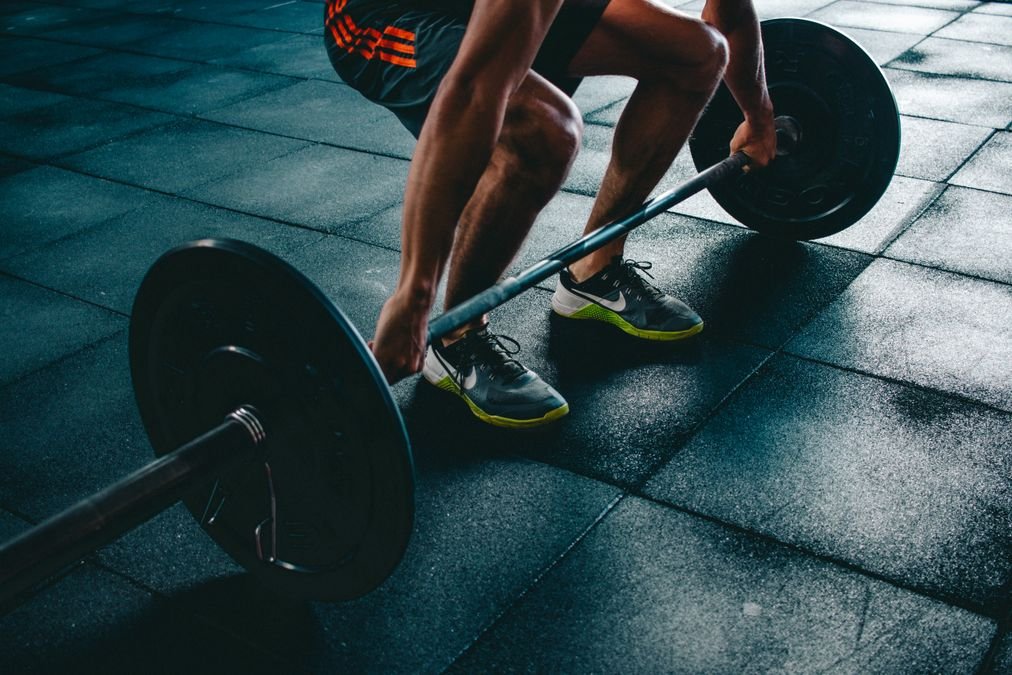
It started with a broken treadmill and a cupboard full of excuses. About three years ago I was standing in a sports shop — kids in tow, both of them nagging for the football section — staring at a £1,400 piece of cardio equipment I absolutely could not afford and definitely did not have room for. I’d convinced myself I needed a “proper” setup before I could get serious about training. That if I didn’t have a full rack of barbells, a cable machine, and maybe a motivational poster of a shirtless bloke on a mountain, I wasn’t going to get anywhere. It took me an embarrassingly long time to realise how wrong I was. The truth is, you can build a genuinely effective home gym for under £200 — and in a lot of cases, you can get started for under £30. Here’s everything I’ve learned the hard way, so you don’t have to.
Why Training at Home Makes Sense for Dads
Before we talk kit, let’s talk about why a home gym is such a good fit for fathers with busy, unpredictable lives.
The gym commute is killing your consistency
I tried a gym membership for almost two years. I went maybe twice a week at best, and that was only when everything aligned perfectly — kids in bed, wife not working late, nothing breaking, no one ill. The commute alone was 20 minutes each way. That’s 40 minutes of driving before I’d even lifted a finger. At home, I can be training within 90 seconds of deciding to train. That convenience is worth more than any fancy machine.
You’re not missing out on results
Here’s the thing the fitness industry doesn’t want you to know: you don’t need a gym to build real strength, burn fat, or transform how you look and feel. Progressive overload — gradually making your workouts harder over time — is what drives results, and you can achieve that with a few hundred quid’s worth of home kit just as easily as you can with a £50-a-month gym membership. The research backs this up consistently.
The kids don’t interrupt a session quite so much
This one surprised me. When I trained at a gym, leaving the house felt selfish. There was always something — bath time, homework, a meltdown — that made me feel guilty for going. Training at home means I’m still there. I’m 10 metres away. And weirdly, seeing Dad doing press-ups in the garage has become something my kids think is pretty normal and even cool.
Start Here: Pure Bodyweight (£0)
Before I tell you a single thing to buy, I want to make something clear. You do not need any equipment to start building fitness. None. A proper bodyweight training programme — press-ups, squats, lunges, dips off a chair, mountain climbers, planks — can take an absolute beginner from zero to genuinely strong and fit. I’ve written a full bodyweight workout for dads that needs no equipment at all, and if you’re just starting out, that is honestly where I’d point you first.
The problem with bodyweight training isn’t that it stops working — it’s that a lot of dads don’t know how to make it progressively harder. Once you can bang out 20 clean press-ups, you need more resistance. That’s where the kit comes in. But never feel like you can’t begin until you’ve bought something. You can begin tonight.
Tier One: Under £50 — The Absolute Essentials
If you’ve got fifty quid and you want to get started properly, here’s exactly what I’d spend it on.
Resistance bands (£10–£20)
Resistance bands are probably the most underrated piece of fitness kit in existence. A set of five loop bands in different resistances will cost you around £15 on Amazon, and you can use them for literally hundreds of exercises — banded squats, hip thrusts, rows, pull-apart drills for your shoulders, bicep curls, tricep work, and a dozen glute exercises your physio has probably recommended and you’ve been ignoring. They’re particularly brilliant for adding difficulty to bodyweight exercises once those get easy, and they’re small enough to stuff in a drawer. I still use mine every single week despite having heavier kit available.
Look for a set that includes at least three resistance levels (light, medium, heavy). Brands like Gritin, Fit Simplify, or any own-brand set from Amazon or Decathlon will do the job absolutely fine. No need to spend more than £20.
A doorframe pull-up bar (£15–£25)
The pull-up is one of the best upper-body exercises you can do. Full stop. And a doorframe pull-up bar means you can do them in your hallway, bedroom doorway, or wherever you’ve got a suitable frame. They require no drilling, no permanent fixing, and they come off in seconds when guests come round and you want to pretend you’re a normal person.
Beyond pull-ups and chin-ups, these bars are great for hanging (brilliant for your back and decompressing your spine after a day hunched over a desk), inverted rows if you position them low, and even as an anchor point for your resistance bands. I paid £18 for mine from Amazon a few years ago and it’s still going strong. Look for one with foam grips and check the weight rating before you buy — most handle up to 100kg comfortably.
Total for Tier One: approximately £30–£45
Tier Two: Under £100 — Adding Real Resistance
Once you’ve got the basics nailed, the single biggest upgrade you can make is adding some proper weighted resistance. At this budget you’re looking at one of two options.
A kettlebell (£25–£45 depending on weight)
If I could only own one piece of weighted kit for the rest of my life, it would be a kettlebell. The swing alone — the fundamental kettlebell movement — works your glutes, hamstrings, lower back, core, and cardiovascular system all at once. Add goblet squats, Turkish get-ups, single-arm rows, overhead presses, and cleans, and you’ve got a full-body programme in a single lump of iron. Kettlebells are also brilliant for the kind of short, intense training sessions that fit around family life — 20 minutes of kettlebell circuits will leave you properly spent.
For most dads starting out, I’d suggest a 16kg or 20kg bell. A 16kg feels manageable for most exercises but challenging enough to drive progress for months. You can pick one up from Decathlon, Argos, or Amazon — I’d avoid anything super cheap from unknown brands as the coating can be rough on your hands.
Adjustable dumbbells (£40–£80 for a basic set)
If you’d rather have more flexibility across different exercises, a basic adjustable dumbbell set — the kind with a central bar and screw-on plates — gives you a range of weights for roughly the same price as a single kettlebell. They’re not as quick to adjust as the fancy dial-a-weight versions (those cost £150+), but they’re perfectly functional. You’ll be able to do dumbbell presses, rows, curls, lateral raises, lunges, Romanian deadlifts, and more.
The honest answer is that either option is excellent. If you like circuits and explosive training, get the kettlebell. If you want more variety and traditional strength movements, go for the adjustable dumbbell set.
Total for Tier Two (added to Tier One): approximately £70–£100
Tier Three: Under £200 — A Proper Little Setup
This is where things start to feel like a real training space. By this point you’ve probably been training consistently for a few months and you’re ready to invest a bit more. The addition that transforms everything at this stage is a weight bench.
A flat/incline weight bench (£60–£100)
A decent adjustable weight bench opens up a huge range of new exercises — dumbbell bench press, incline press, seated shoulder press, single-arm rows, step-ups, Bulgarian split squats, tricep dips. It also gives your home gym a sense of permanence, which — if you’re anything like me — actually makes you more likely to use it. Something about having a proper bench in the corner of the garage makes the whole thing feel more real.
You don’t need anything fancy. Look for a bench that adjusts between flat and at least two incline positions, with rubber feet so it doesn’t slide around. JLL, Mirafit, and York all make solid entry-level benches for under £100. Check the weight rating (including your bodyweight plus the weights you’re lifting) and make sure the padding is firm enough to actually support you. Wobbly benches are annoying and potentially dangerous.
My actual home gym right now
My own setup has evolved gradually over about three years. It currently consists of: a doorframe pull-up bar, a set of loop resistance bands, a 20kg kettlebell, a pair of adjustable dumbbells (up to 20kg each), and a flat/incline bench. The whole thing cost me around £180 in total, assembled piecemeal over time, a lot of it second-hand from Facebook Marketplace where people flog barely-used kit for half price all the time. It lives in the corner of our garage, takes up about two square metres of space, and I’ve genuinely built more strength and fitness using it than I ever did in a commercial gym. If you want to see what you can achieve with this kind of setup, I’ve put together the full dad-bod workout plan that works specifically with home equipment.
Making the Most of Your Investment
Buy second-hand first
Facebook Marketplace, Gumtree, and eBay are absolutely full of fitness equipment that was bought with good intentions and used twice. Kettlebells especially hold their value brilliantly because they’re virtually indestructible, which also means you can buy a second-hand one with total confidence. I got my 20kg kettlebell for £12 from a bloke round the corner. New, it would have been £35. Same piece of iron. Spend the difference on something else.
Start with one thing and master it
Resist the urge to buy everything at once. Get the pull-up bar and the bands. Use them for six weeks. Actually get good at the basics. Then add a kettlebell. Then a bench. This incremental approach means you never end up with a pile of kit you don’t know how to use, and it keeps the financial outlay manageable. You can build real muscle without spending much at all if you’re consistent and intentional — the equipment is just a tool, not the answer.
Put it somewhere visible
This sounds trivial but it genuinely matters. When my kit was tucked in a box in the garage I used it far less than I do now it’s set up in the corner and visible every time I walk in. Out of sight really does mean out of mind. Even if your “home gym” is a corner of the bedroom or a patch of the living room that gets cleared after the kids are in bed, making it easy to access and hard to ignore is one of the most practical things you can do for your consistency.
Track your progress
A basic training journal — literally a cheap notebook — is worth more than almost any piece of equipment. Write down what you did, how many reps, how heavy. Come back next week and try to beat it. That’s progressive overload. That’s how you get stronger. It costs about £1.50 from the supermarket and it’s probably the best fitness investment on this entire list.
The Bottom Line
You don’t need a fancy gym. You don’t need a dedicated room. You don’t need to spend hundreds of pounds before you start seeing results. A doorframe pull-up bar, a set of resistance bands, and a single kettlebell will take you further than you’d believe possible if you show up and do the work consistently. The goal isn’t a perfect setup — it’s a sustainable one that fits around your actual life, your kids, and your finances. Start small, stay consistent, and before long you’ll be the dad who quietly surprises everyone, including yourself.
Free Newsletter
Enjoyed This? There's More Where That Came From.
Every week I send out my best tips on dad fitness, nutrition, and family life. Join thousands of dads already in the loop.
No spam. Unsubscribe any time.